What each voltage class means, which substation technology fits which site, and the equipment scope we handle at every level.
The entire spectrum sits inside one practice. No class is outside our scope.
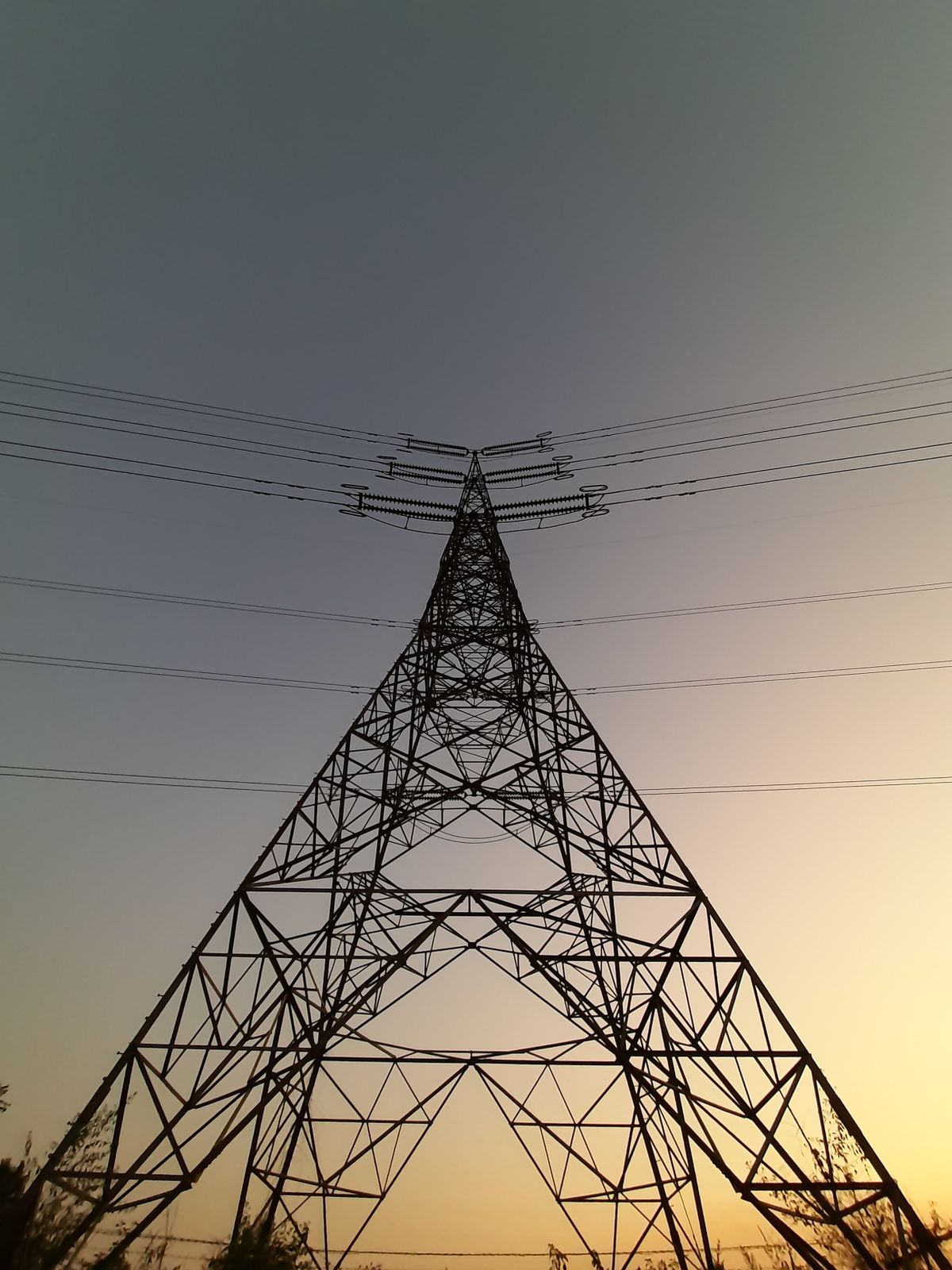
The transmission layer moves bulk power from generation to load centres. Works at this level mean large steel, heavy equipment, long outages planned to the hour and zero tolerance for rework.
Our EHV scope includes substation bays and yards, EHV line sections, transformer and reactor bays, isolators, wave traps, CVTs and surge arresters — installed to transmission utility standards.
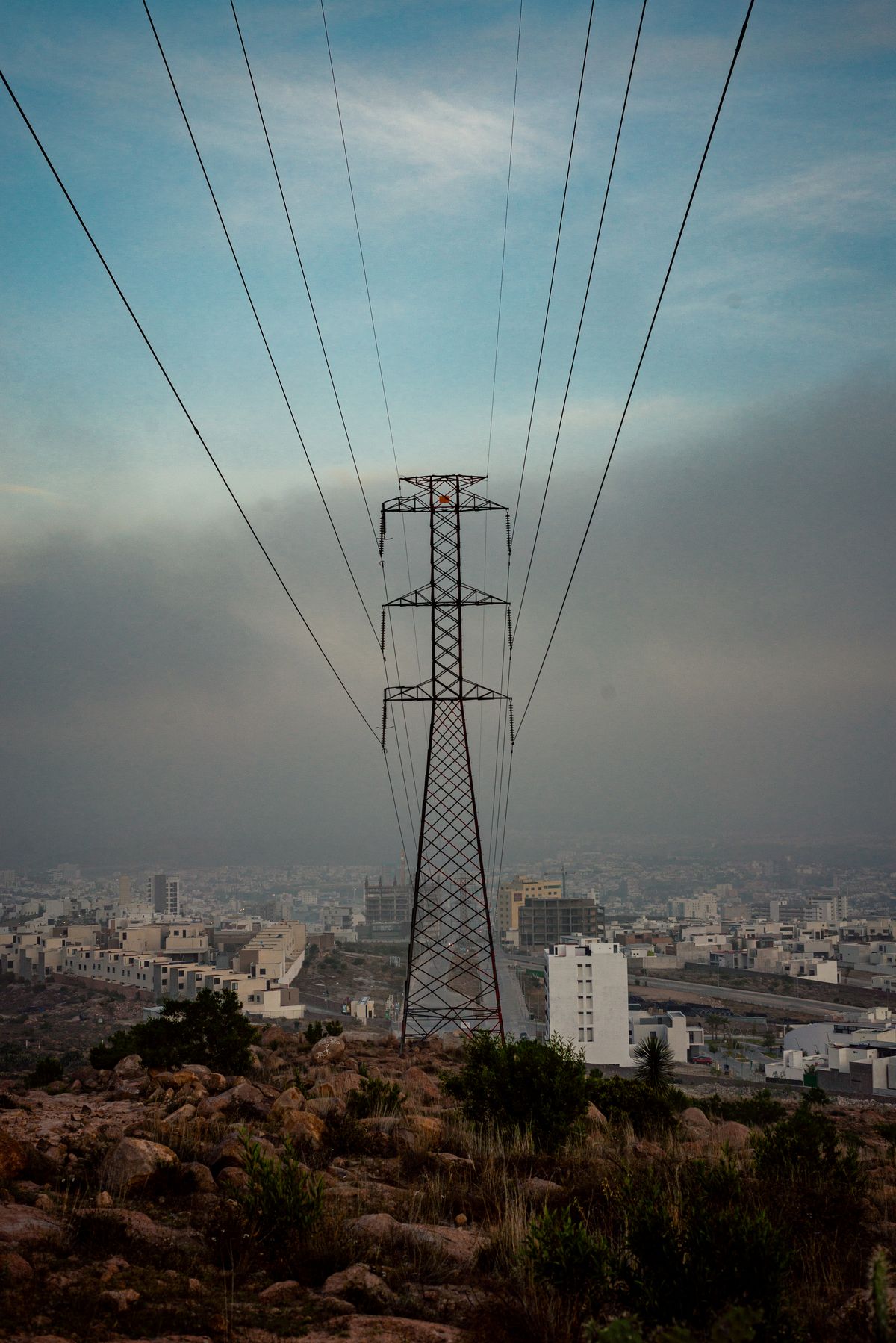
This is the layer that delivers power to cities, industries and campuses — the networks that utilities, developers and plant owners live with every day. It's also where most of India's electrical capacity growth is happening.
Our scope at this layer spans 33/11 KV substations, RMU-based ring networks, HT feeders and interconnections, pole and small-tower lines, and the complete distribution equipment chain.
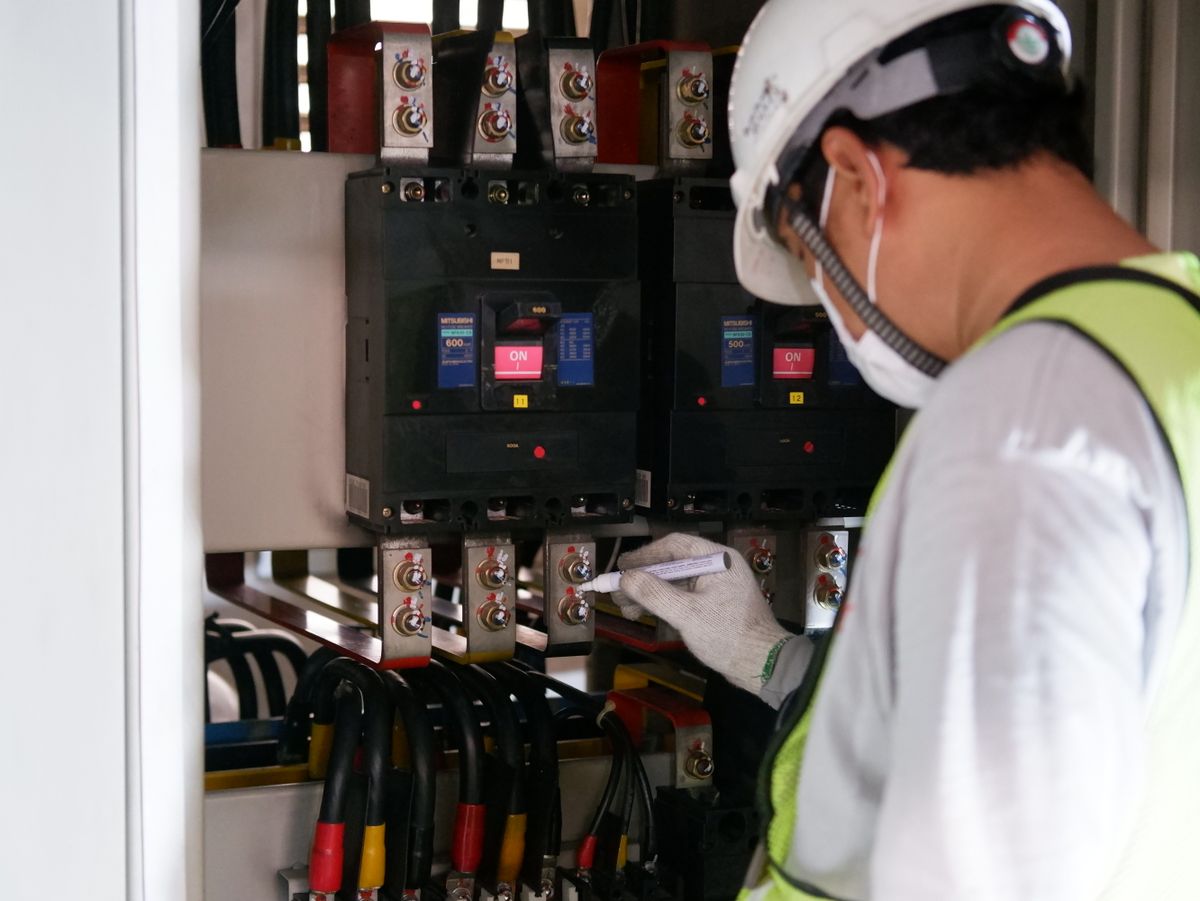
Below the network sits the infrastructure that facilities actually run on: the HT intake, the transformation to LT, and the distribution to every panel and load point. It's the most customised layer — every facility is different.
We handle the complete chain: intake installations, consumer substations, LT networks, panels and protection, and the metering interfaces that connect your facility to the utility.
The right answer depends on land, environment and lifecycle cost. Here's how they compare — and we execute both.
| Consideration | GIS — Gas-Insulated | AIS — Air-Insulated |
|---|---|---|
| How it works | Live parts sealed in SF6 gas inside metal-clad modules | Live parts insulated by air, in an open yard layout |
| Footprint | Roughly 25–40% of an equivalent AIS yard | Larger land requirement; classic open layout |
| Best suited for | Urban sites, load centres, space-constrained plots, polluted or coastal environments | Greenfield sites, transmission yards, cost-driven projects with land available |
| Environment & exposure | Sealed — largely immune to dust, moisture, pollution and wildlife | Exposed to atmosphere; needs maintenance regime against pollution and weathering |
| Installation | Factory-built modules shipped to site; faster, cleaner erection; gas handling discipline required | Civil + structural works, equipment erection, busbars and jumpers assembled on site |
| Maintenance access | Enclosed — scheduled intervention, condition-based monitoring | Open — everything visible and accessible for inspection and maintenance |
| Voltage classes | Common from 33 KV upward; standard at 132/220/400 KV in dense networks | All classes; dominant topology for 400 KV and greenfield EHV |
| Our execution | Bay erection, bus ducts, secondary wiring, gas & commissioning protocols | Foundations to energization — the complete yard build |
Both technologies are fully within our scope. Tell us your site constraints and we'll recommend the right one — start the conversation.
Transformers, circuit breakers (VCB / SF6 / OCB), isolators & load-break switches, CTs, PTs/CVTs, surge arresters, wave traps, insulators & hardware
Busbars & bus ducts, jumpers & connectors, conductors & earth wires, gantries & structures, cable trays & trench systems
Relays & metering, control & RTCC panels, DC systems & batteries, PLCC & communication interfaces, OLTC & control wiring
Earthing grids & electrodes, lightning arresters & air terminals, fencing & interlocks, structure & equipment earthing, safety grounding systems
Installation, interconnection, testing and commissioning across the entire chain — one contractor, no scope gaps.
Commissioning is where an installation either earns confidence or loses it. Our test scope covers insulation resistance and HV tests, transformer ratio/vector-group/insulation testing, protection relay secondary injection and functional schemes, earth resistance measurement, cable continuity and pressure testing, and complete pre-energization checklists.
 Switchyard, NTPC Ramagundam — Telangana
From 400 KV infrastructure to LT distribution — if it's electrical and it's outside the building, it's in our scope.